
Amrudin Ćatić
Strategy, creativity, and technology are combined to craft digital experiences that perform. Smart marketing meets creative execution, always focused on growth, problem-solving, and real impact.
Freelancer mental gym: 7 powerful ways to build confidence, clarity, and boundaries
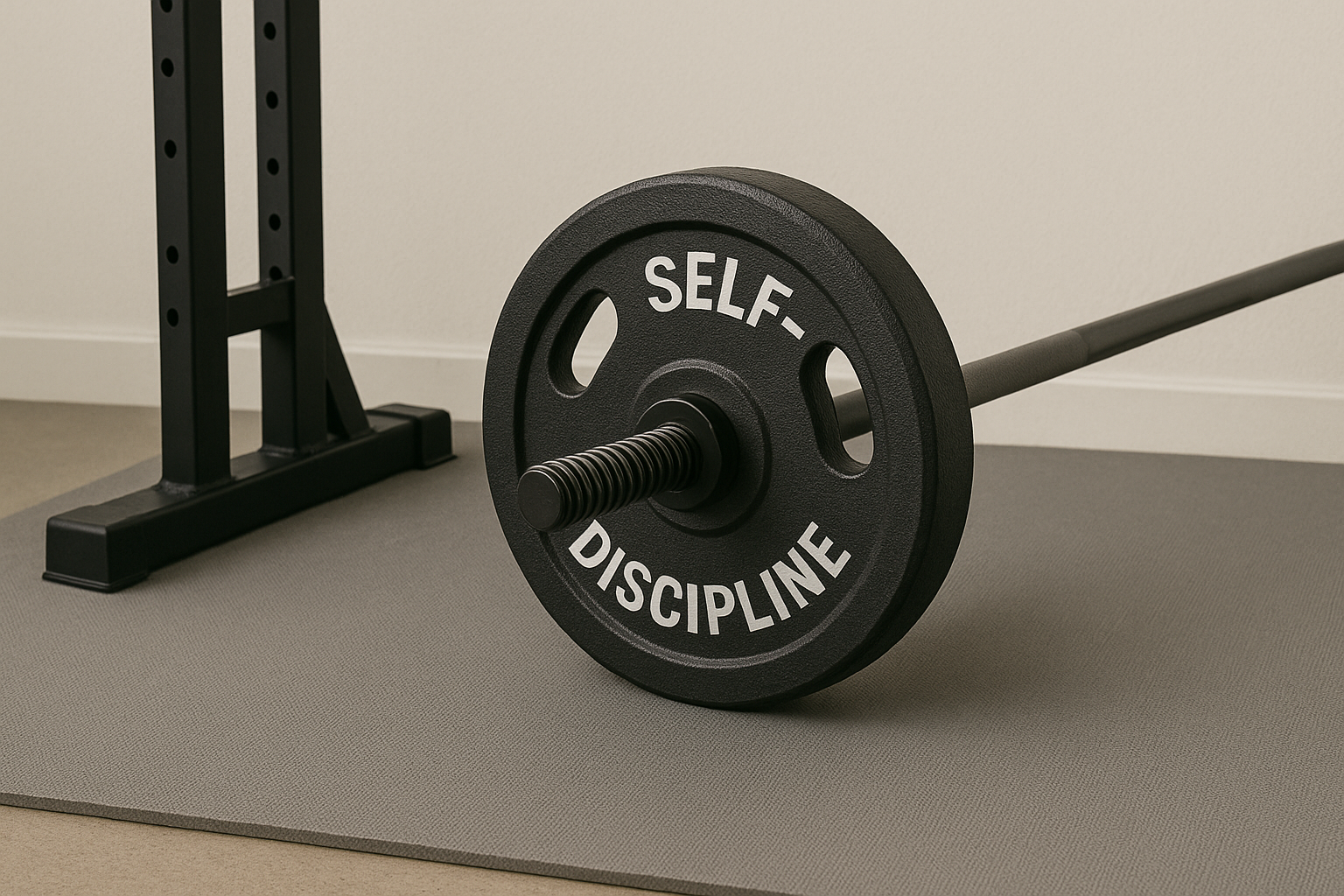
Discover how to build unshakable confidence, laser-like clarity, and strong personal boundaries with the Freelancer Mental Gym, your roadmap to a balanced, thriving freelance career.
Introduction: Why freelancers need a mental gym
Freelancing offers freedom, flexibility, and the power to be your own boss, but it also brings uncertainty, self-doubt, and blurred boundaries. Unlike traditional jobs, freelancers don’t have managers, teams, or HR departments to support their mental wellness.
That’s where the Freelancer Mental Gym comes in, a personal training ground for your mindset, confidence, and emotional boundaries.
Just like physical fitness keeps your body strong, mental fitness helps you stay focused, self-assured, and resilient in the face of client rejections, inconsistent income, and creative burnout.
The freelancer’s hidden battle: Emotional endurance
Every freelancer faces mental fatigue, the emotional toll of isolation, comparison, and the pressure to constantly deliver. You’re not just managing work; you’re managing yourself. The “mental gym” concept reminds us that emotional strength is built through regular training, self-awareness, rest, and intentional growth.
How confidence, clarity, and boundaries intersect
Think of these as your three mental muscles:
- Confidence fuels your courage to pitch, negotiate, and show up online.
- Clarity guides your energy toward what truly matters.
- Boundaries protect your time, energy, and creativity.
Together, they create a balanced, thriving freelancer mindset.
1. Training confidence: Building a resilient freelancer mindset
Confidence doesn’t come from constant success; it’s built by showing up consistently despite uncertainty.
Overcoming Impostor syndrome
Impostor syndrome hits freelancers hard, especially when starting. The key is reframing your inner dialogue.
- Keep a “proof list” – a simple document of past wins and client feedback.
- Use mirror affirmations: Speak to yourself like a supportive coach.
- Surround yourself with peers who celebrate progress, not perfection.
Impostor syndrome doesn’t just make you doubt your skills, it also shows up when you set your prices.
If you’ve ever hesitated to charge what your work is worth, read Why You’re afraid to charge €500, and how to fix that for a deep dive into pricing confidence.
Celebrating small wins
Confidence compounds with recognition. Don’t wait for big milestones acknowledge daily efforts.
- Write down three wins every evening.
- Reward yourself for completing challenging tasks.
- Track how far you’ve come rather than how far you have to go.
2. Sharpening clarity: Aligning your vision and actions
Clarity is the compass that keeps freelancers from drifting. Without it, you’ll chase trends instead of building a brand.
Mind decluttering: How to simplify your focus
Mental clutter, open tabs, multiple clients, unfinished tasks, drain your attention.
To reset:
- Identify your top three priorities for the week.
- Use the “one focus per block” rule: Work on one major task per time slot.
- Journal your thoughts to externalize stress.
The power of intentional planning
Every freelancer benefits from structure.
Try this simple weekly planning ritual:
- Review your goals every Sunday.
- Plan three non-negotiable tasks per day.
- Block time for creative rest, your brain’s recovery period.
3. Strengthening boundaries: The art of saying no gracefully
Boundaries define how others treat you, and how you treat yourself.
Client boundaries: Setting expectations early
- Create a clear onboarding document that outlines availability, revision limits, and payment terms.
- Use polite but firm language: “I’d love to help, but that’s outside the project scope. Here’s what I can offer instead.”
Digital boundaries: Disconnecting to protect mental health
The online hustle never sleeps, but you should.
- Turn off notifications after work hours.
- Separate work devices from personal ones.
- Communicate your response times clearly in your email signature.
4. Daily mental gym exercises for freelancers
Think of these as your “workout routines” for a stronger mind.
The 10-minute confidence warm-up
Each morning, do one of these:
- Write affirmations like “I am capable of learning anything I need.”
- Visualize one successful client interaction.
- Play a “pump-up” song before starting your first task.
The focus flow practice
Dedicate 30 minutes daily to deep, distraction-free work.
- Set a timer, silence all notifications, and immerse yourself.
- End with a 5-minute reflection: What went well? What distracted me?
5. Common mental blocks and how to overcome them
| Mental block | Root cause | Solution |
|---|---|---|
| Procrastination | Fear of failure | Break tasks into micro-steps |
| Perfectionism | Fear of judgment | Adopt the “done is better than perfect” mindset |
| Burnout | Overcommitment | Schedule rest as a non-negotiable task |
| Comparison | Social media overload | Follow creators who inspire, not drain |
6. Real-life success stories: Freelancers who rebuilt their mindset
- Maya, UX Designer – Gained clarity by setting strict client hours, resulting in doubled income.
- Jon, Copywriter – Beat impostor syndrome through daily reflection and affirmations.
- Leila, Virtual Assistant – Learned to say no to low-paying gigs, boosting her confidence and peace of mind.
These stories prove that the Freelancer mental gym works when practiced consistently.
7. Tools and resources for your freelancer mental gym
| Purpose | Tool/Resource |
|---|---|
| Mental clarity | Notion, Obsidian, or Evernote |
| Confidence tracking | Daylio, Stoic App |
| Mindfulness | Headspace, Calm |
| Community support | Indie Hackers, Freelancers Union |
(External resource: Freelancers Union)
FAQs about building a freelancer mental gym
Q1. How can I build confidence as a new freelancer?
Start small, celebrate each project, and document your wins. Confidence grows with action.
Q2. What’s the best way to stay mentally clear?
Create weekly goals and declutter your workspace and digital space.
Q3. How do I say no without sounding rude?
Use polite, firm language. Offer alternatives where possible.
Q4. How can freelancers avoid burnout?
Schedule rest days like meetings, non-negotiable and regular.
Q5. Are boundaries really that important?
Yes. Boundaries protect your creativity and prevent resentment.
Q6. How long does it take to see results from mental gym practices?
Within 30 days of consistency, you’ll notice increased focus and confidence.
Conclusion: Your mind is your most profitable asset
In freelancing, your greatest investment isn’t your laptop, it’s your mind.
By training your mental muscles – confidence, clarity, and boundaries, you’ll build not just a sustainable business, but a sustainable you.
The Freelancer Mental Gym isn’t a place; it’s a daily practice of resilience and self-respect. Start today, your best self is waiting.