
Amrudin Ćatić
Strategy, creativity, and technology are combined to craft digital experiences that perform. Smart marketing meets creative execution, always focused on growth, problem-solving, and real impact.
The death of guesswork: How modern marketing analytics redefine strategy in 2026
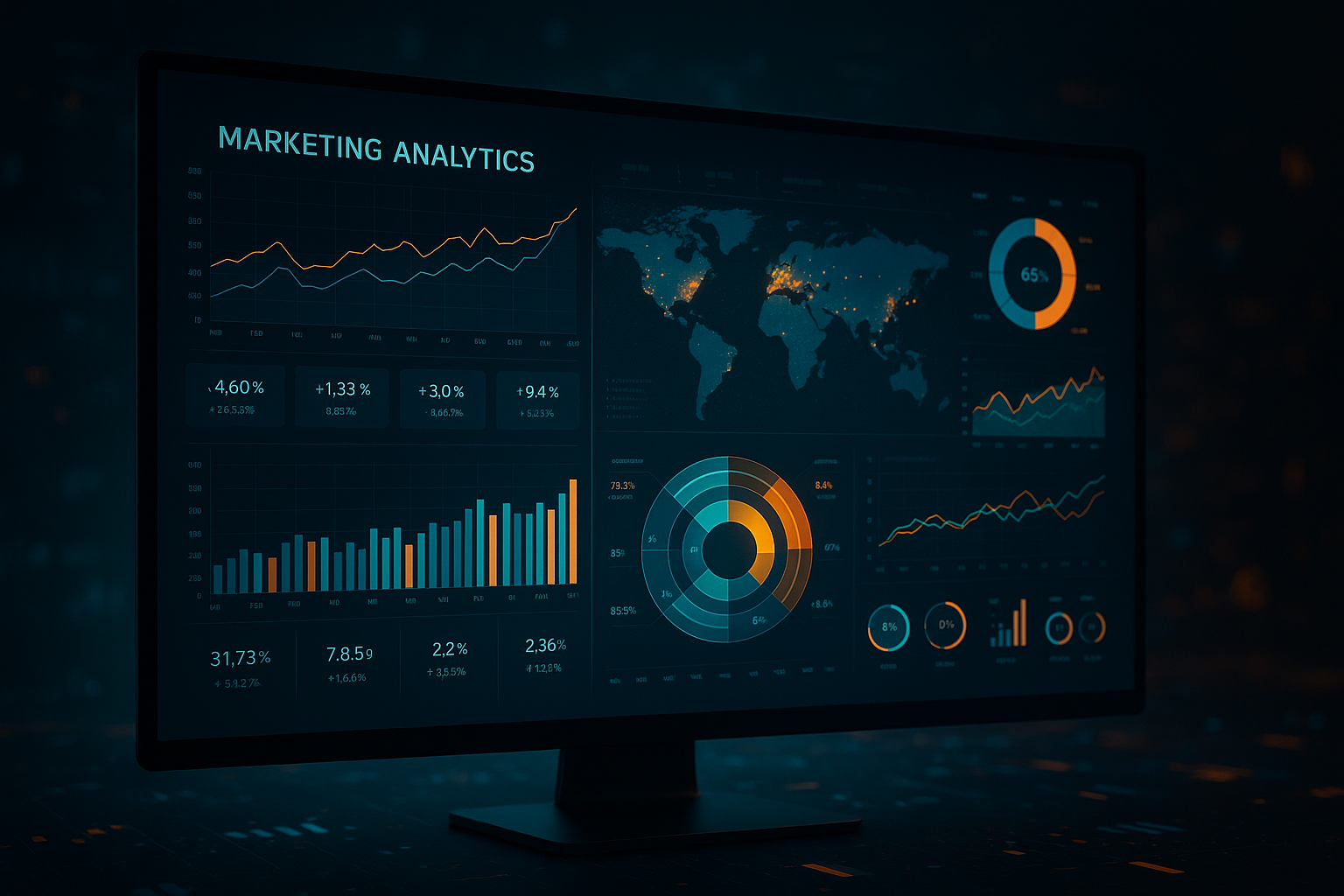
Discover how modern marketing analytics are redefining strategy in 2026, marking the death of guesswork and the rise of data-driven precision.
Introduction: From intuition to intelligence
Marketing has always danced between creativity and intuition. But as we move into 2026, that dance is being choreographed by data. The death of guesswork is no longer a prediction, it’s a reality. Brands that once relied on instinct now harness the precision of modern marketing analytics to design strategies that are measurable, responsive, and personalized.
Today, intuition alone isn’t enough. Marketing leaders are steering decisions using real-time insights, predictive algorithms, and cross-channel data integration. The result? A marketing ecosystem where every click, impression, and customer journey point serves a purpose and contributes directly to strategic growth.
The evolution of marketing decision-making
The era of intuition-based marketing
In the early days, marketing relied heavily on human intuition. Campaigns were crafted based on “gut feelings,” focus groups, and anecdotal experience. While creative genius drove innovation, measurement was an afterthought.
The rise of data-driven thinking
As digital platforms expanded, data became the new lifeblood. Early analytics tools like Google Analytics opened doors, but the real revolution came with machine learning and AI transforming how marketers interpret consumer behavior.
That shift from intuition to structure mirrors how individuals grow too, learning to replace chaos with systems and clarity. For a deeper dive into building that mindset, read Freelancer Mental Gym: 7 powerful ways to build confidence, clarity, and boundaries.
What modern marketing analytics really means
Core components of modern analytics
Modern analytics combines AI-driven insights, predictive modeling, and automated optimization. It merges data from social media, CRM, web, and offline touchpoints to create a unified customer view.
How AI and predictive modeling change the game
AI doesn’t just analyze the past, it forecasts the future. Predictive analytics anticipates customer behavior, helping marketers deploy resources where they’ll drive maximum impact.
The end of guesswork: Data as the new compass
Eliminating uncertainty with real-time insights
Today’s marketers operate in real-time dashboards. Instant feedback on campaign performance enables rapid pivots, eliminating the “wait and hope” model of traditional marketing.
Why data-driven cultures win in 2026
Organizations that prioritize analytics see 50% faster decision-making and 30% higher ROI (source: McKinsey Digital). It’s not about having data, it’s about fostering a culture that acts on it.
Key technologies driving the revolution
AI, Machine Learning, and Predictive Analytics
AI tools now analyze millions of consumer signals in seconds, spotting patterns no human could. Machine learning continuously refines strategies based on outcomes, ensuring campaigns evolve intelligently.
Automation and Customer journey mapping
Automation platforms personalize content delivery at scale. From chatbots to email triggers, customer journeys are optimized to match intent and timing.
The role of cloud-based platforms in analytics
Cloud ecosystems like Google Cloud, AWS, and Adobe Experience Cloud make real-time data sharing seamless across teams, breaking down silos and enabling true cross-channel marketing intelligence.
Building a modern marketing analytics framework
Data collection and integration strategies
Effective marketing analytics starts with clean, structured data. Integrating CRM, ad platforms, and social analytics ensures that decision-makers view a complete picture.
Visualization and reporting for smarter decisions
Data storytelling tools like Tableau, Power BI, and Looker Studio translate raw numbers into actionable insights. Visualization bridges the gap between analytics teams and executives.
Marketing KPIs that matter most in 2026
Metrics for engagement and conversion
Key metrics such as Customer Lifetime Value (CLV), Engagement Rate, and Conversion Velocity now dominate boardroom discussions. They indicate not just how many customers engage but how deeply.
Advanced attribution models
Attribution modeling has evolved. Multi-touch and algorithmic attribution reveal the full journey, not just the last click.
Challenges in implementing modern analytics
Data silos and organizational resistance
Even the best tools fail without buy-in. Resistance to change remains a major barrier, as legacy systems and departmental silos slow integration.
Balancing privacy and personalization
With stricter privacy laws (like GDPR 2.0 and CCPA 2026), marketers must walk a fine line between personalization and data protection. Transparency builds trust, the new competitive edge.
The future of marketing strategy beyond 2026
Predictive and prescriptive analytics
Tomorrow’s analytics won’t just predict outcomes; they’ll prescribe actions. Automated recommendations will suggest campaign adjustments before problems even arise.
Ethical AI in marketing decisions
Ethical frameworks for AI are becoming essential. Bias-free algorithms and transparent data sourcing will define trusted brands of the future.
FAQs
1. What is the main goal of modern marketing analytics?
To eliminate guesswork by transforming raw data into actionable, strategic insights that guide marketing decisions.
2. How does AI influence marketing in 2026?
AI enhances personalization, predicts consumer behavior, and automates decision-making, driving faster and smarter campaigns.
3. What tools are essential for modern analytics?
Popular tools include Google Analytics 4, HubSpot, Salesforce Marketing Cloud, and Tableau.
4. What is predictive analytics in marketing?
It’s the use of historical data and machine learning to forecast future trends and optimize campaign outcomes.
5. Are there ethical risks in marketing analytics?
Yes, particularly with privacy and data bias. Transparent data practices and responsible AI use are key to maintaining trust.
6. How can small businesses benefit from analytics?
Affordable SaaS analytics tools empower small businesses to make data-driven decisions without heavy investment.
Conclusion: A data-defined future
By 2026, the death of guesswork is not a slogan, it’s the status quo. Modern marketing analytics has turned uncertainty into insight and creativity into calculated success. The brands that thrive will be those that embrace data not as a tool, but as the foundation of their strategy.
External Link: Read more about the future of AI in marketing on HubSpot Blog