
Amrudin Ćatić
Strategy, creativity, and technology are combined to craft digital experiences that perform. Smart marketing meets creative execution, always focused on growth, problem-solving, and real impact.
All posts by amrudincatic
Everyone uses AI wrong: The real leverage comes from micro-automations, not prompts
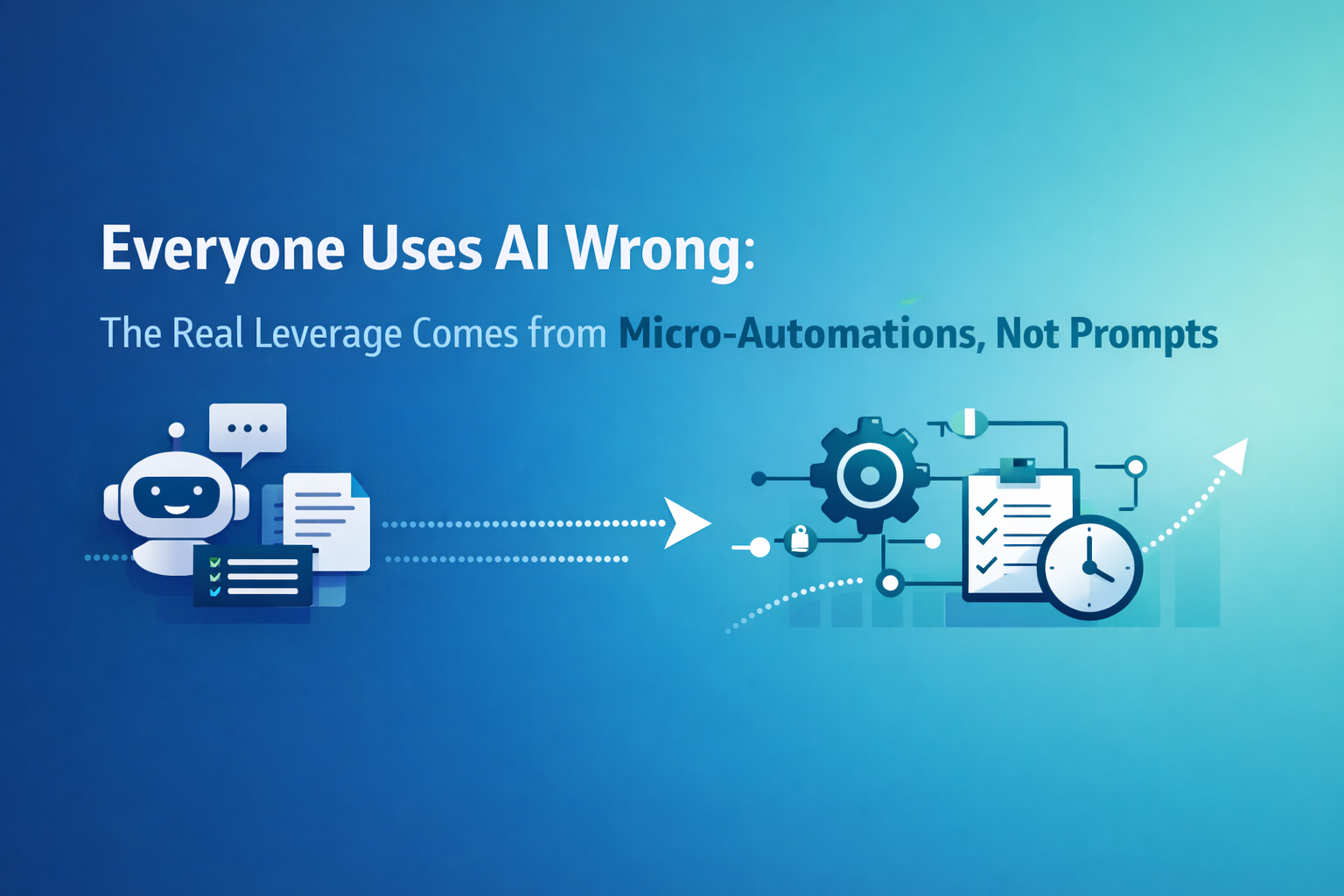
Everyone uses AI wrong by obsessing over prompts. Discover why real leverage comes from micro-automations, how they work, and how to build them for massive productivity gains. Introduction: Everyone uses AI wrong (and it’s costing them time) Everyone uses AI wrong, not because AI isn’t powerful, but because most people are using it in the…
The new AI tools stack for 2026: The brutally honest guide to what’s worth paying for (and what’s pure vaporware)
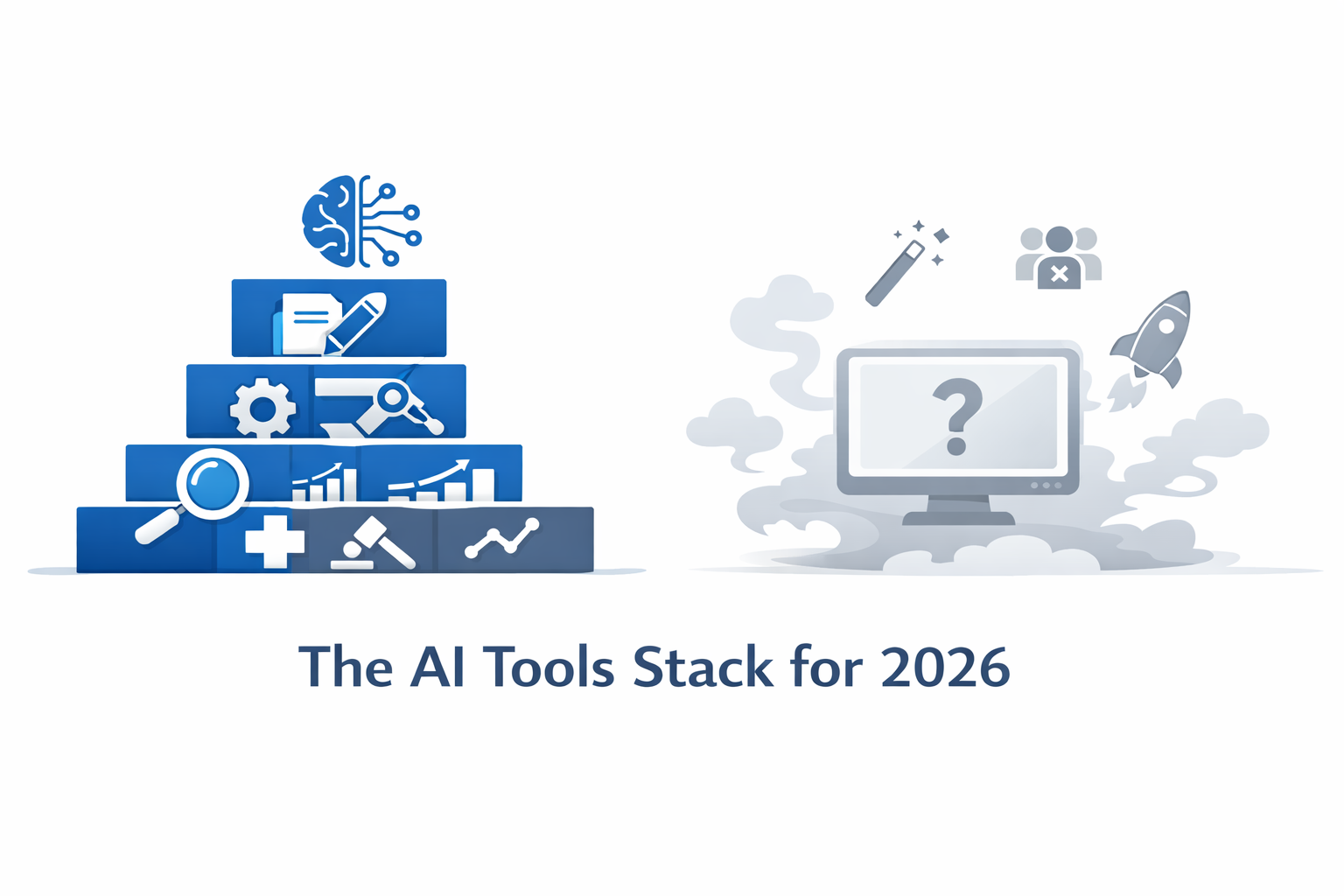
The new AI tools stack for 2026 is crowded, confusing, and expensive. This expert guide breaks down what’s worth paying for, what’s optional, and what’s pure vaporware. Artificial intelligence is no longer “the future.” By 2026, it’s infrastructure. The new AI tools stack for 2026 has exploded into hundreds of platforms promising productivity, automation, and…
AI is not taking your job – Your bland workflow is
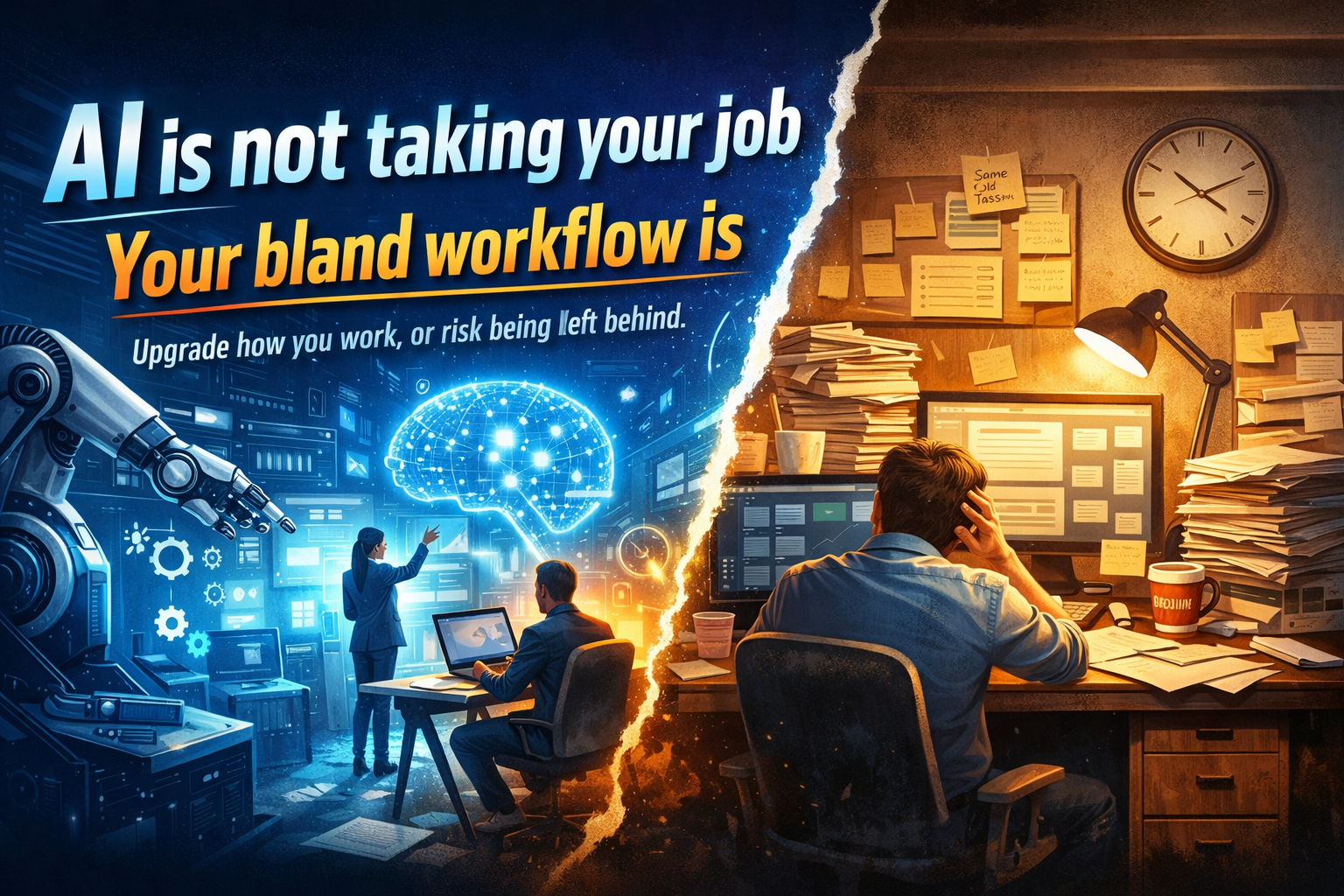
AI is not taking your job – Your bland workflow is. Discover how outdated processes, poor systems, and resistance to change, not artificial intelligence, are the real threats to modern careers. Introduction: Why “AI is not taking your job – Your bland workflow is” matters Let’s get this straight from the start: AI is not…
Using CHATA model in PPC: Improving relevance, trust & CTA flow
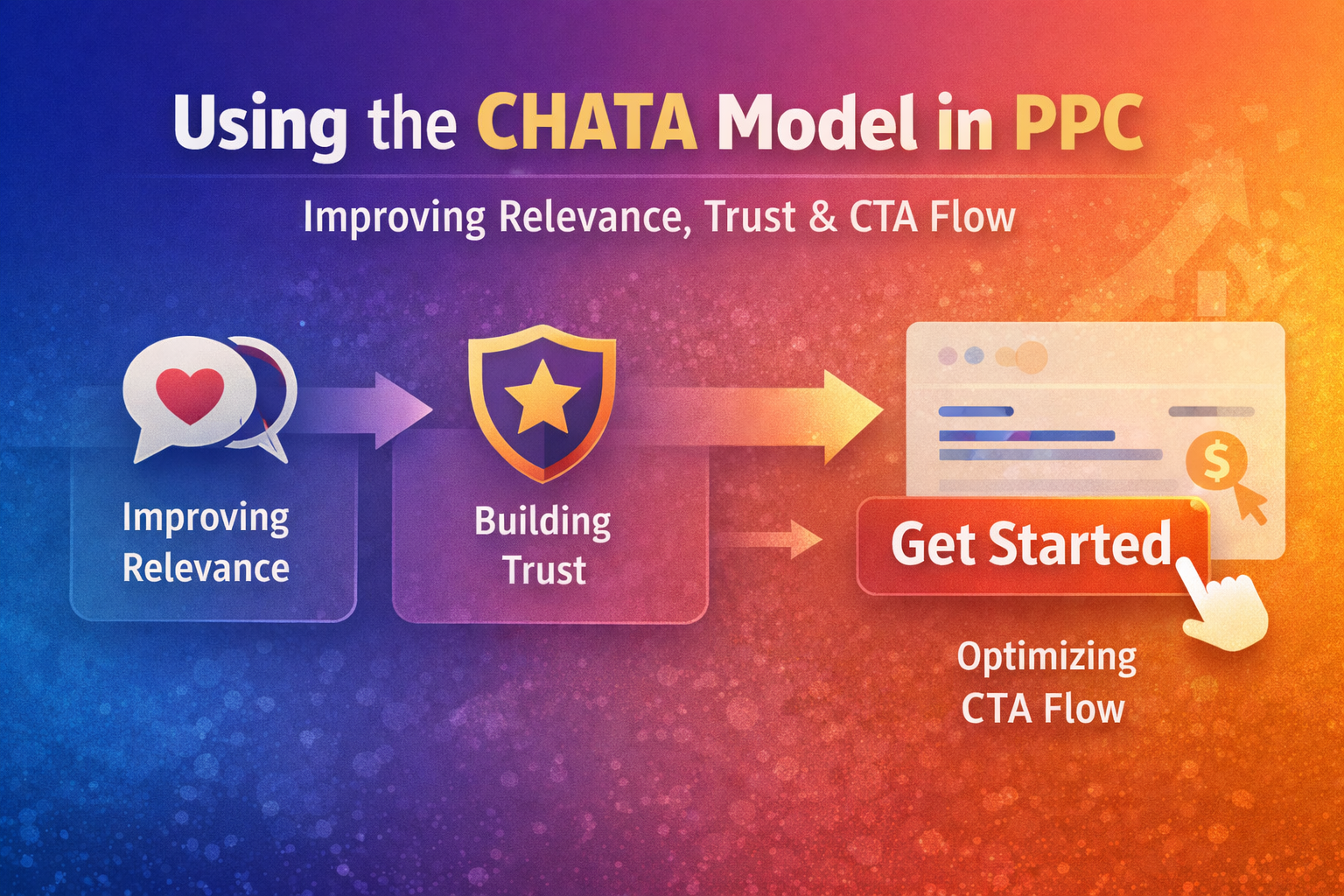
Most PPC campaigns don’t fail because of bidding strategies or budgets. They fail because they try to convert before they make sense. Ads interrupt. Landing pages rush. CTAs push. And users, especially today, resist all three. What PPC really suffers from isn’t inefficiency. It’s psychological misalignment. This is where the CHATA model (Connect → Humanize…
Writing for decision makers, not algorithms: 7 powerful shifts that actually influence action
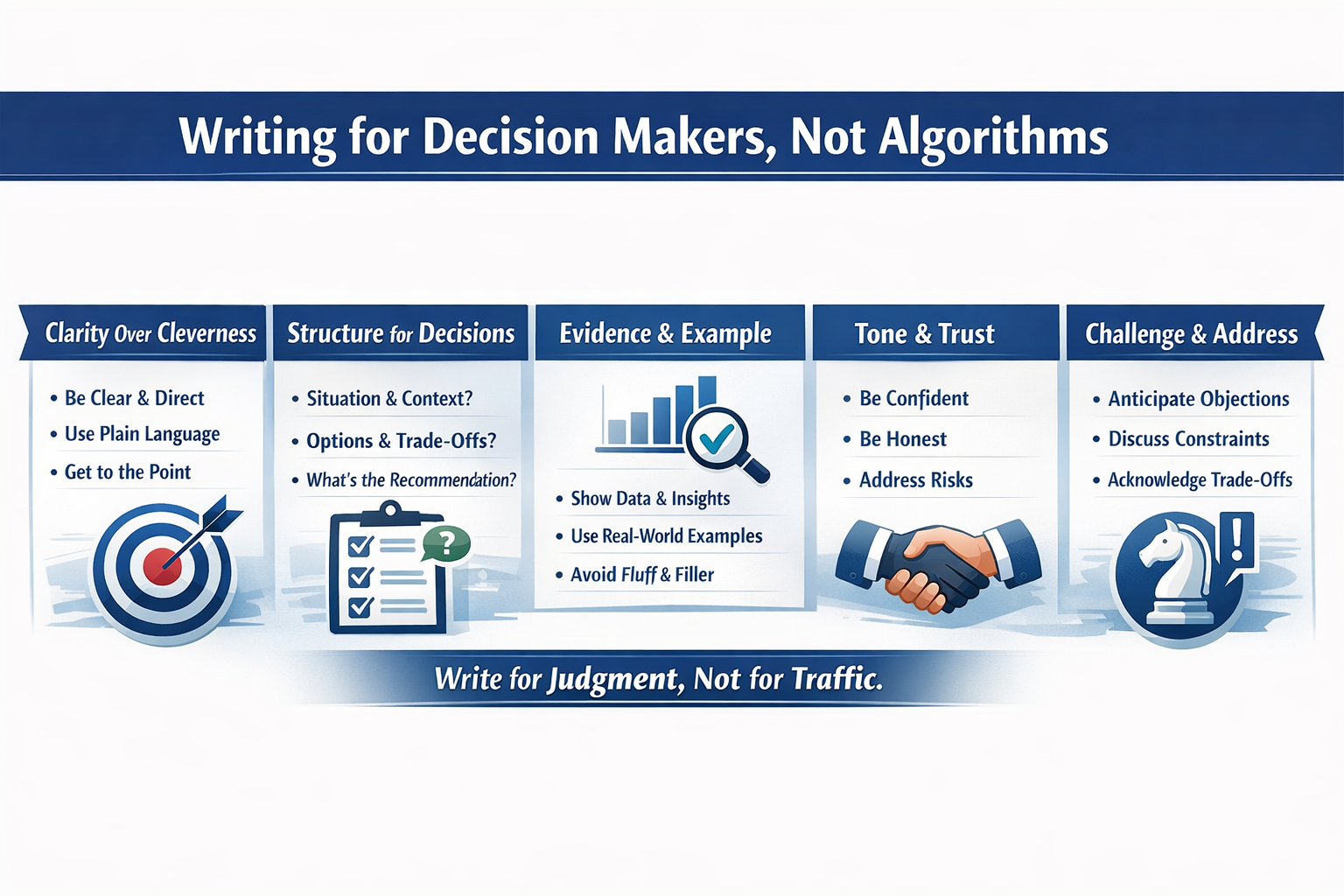
Writing for decision makers. Not algorithms is a smarter, human-first approach that prioritises clarity, credibility, and real-world impact over keyword stuffing and empty optimization. Introduction: Writing for decision makers. Not Algorithms In boardrooms, executive inboxes, and strategy decks, one truth stands out: decision makers don’t read like algorithms. They scan for value, judge credibility instantly,…
Why most business content is invisible (and deserves to be): 7 uncomfortable truths about modern marketing
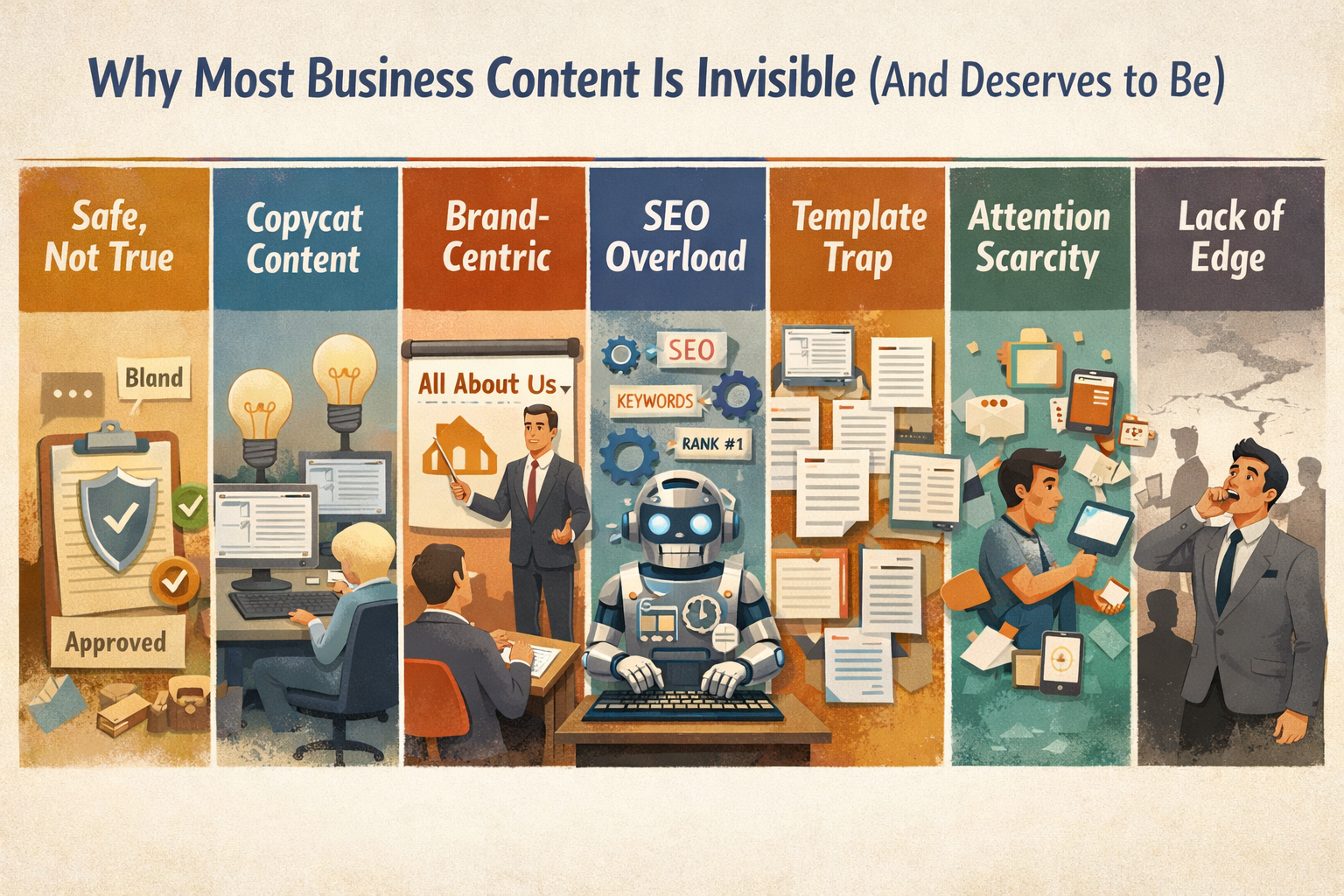
Why most business content is invisible (and deserves to be) because it’s generic, risk-averse, and disconnected from real audiences. This out-of-the-box breakdown explains why content fails and what professionals must do instead. The uncomfortable reality of modern business content Let’s start with a truth most professionals sense but rarely say out loud: the internet is…
If your idea survives only when nobody questions it, it is shit

Good ideas don’t need protection.They need pressure. If your idea collapses the moment someone asks a hard question, the problem isn’t the question. The problem is the idea. Fragile ideas demand silence Watch how bad ideas behave. They don’t invite trust.They create rules around it. That’s not the focus.That’s fear of exposure. Any idea that…
Business content that sells without begging: 9 proven strategies that actually work

In today’s crowded digital marketplace, customers are tired. They’re tired of pop-ups, countdown timers, exaggerated claims, and copy that practically shouts “Please buy now!”. This is exactly why Business content that sells without begging has become the most sustainable way to attract, convert, and retain customers. Instead of chasing prospects, this approach pulls them in…
Retention through the CHATA model: The missing layer in most marketing
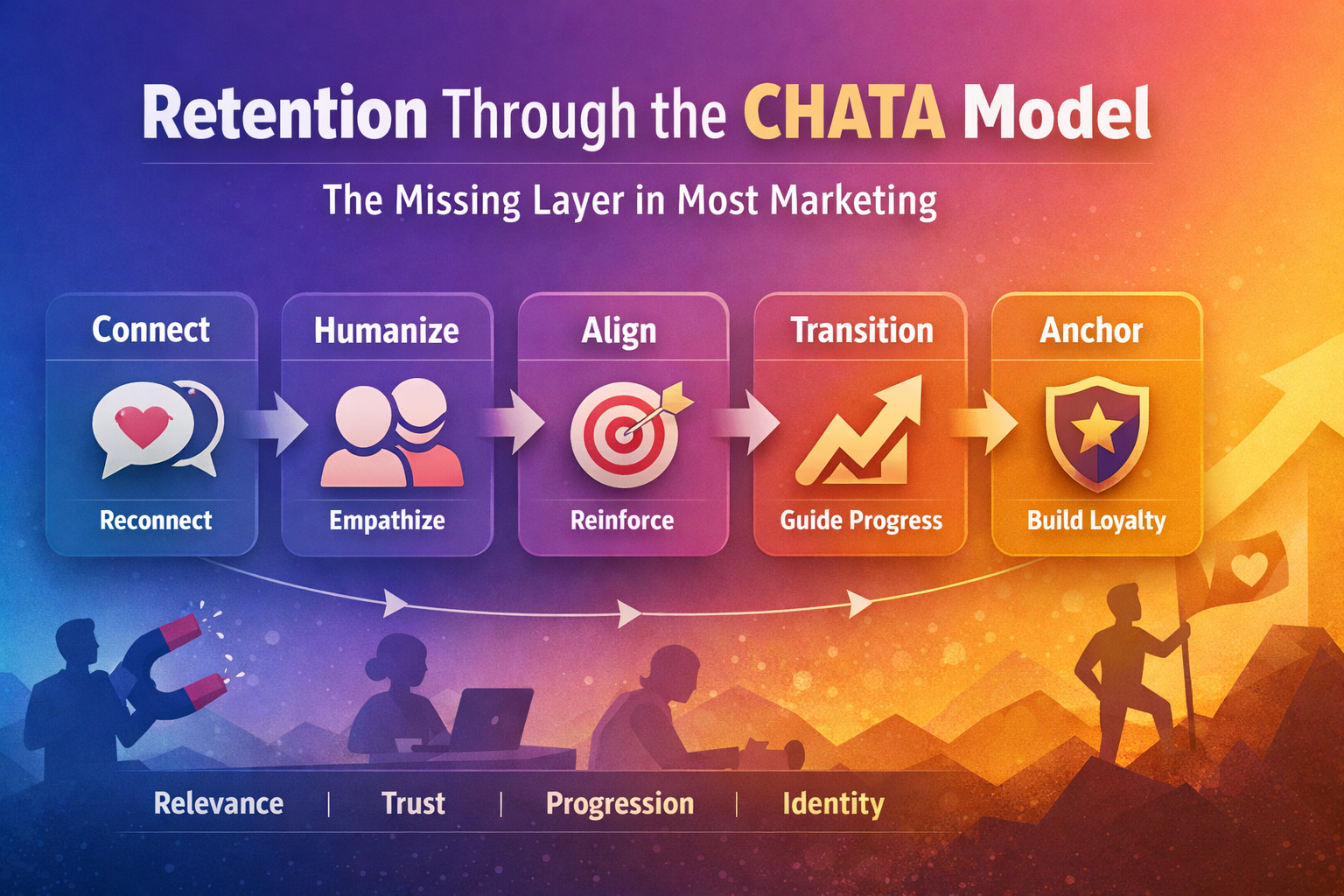
Most marketing strategies are built to win attention. Very few are built to deserve continuity. Teams optimize for acquisition, celebrate conversions, and then quietly hope retention “just happens.” When it doesn’t, the blame usually falls on the product, pricing, or onboarding. That diagnosis is often wrong. Retention is rarely a product problem. It’s a narrative…
The only programmatic metric that actually predicts profit (everything else is noise): 1 brutally honest truth
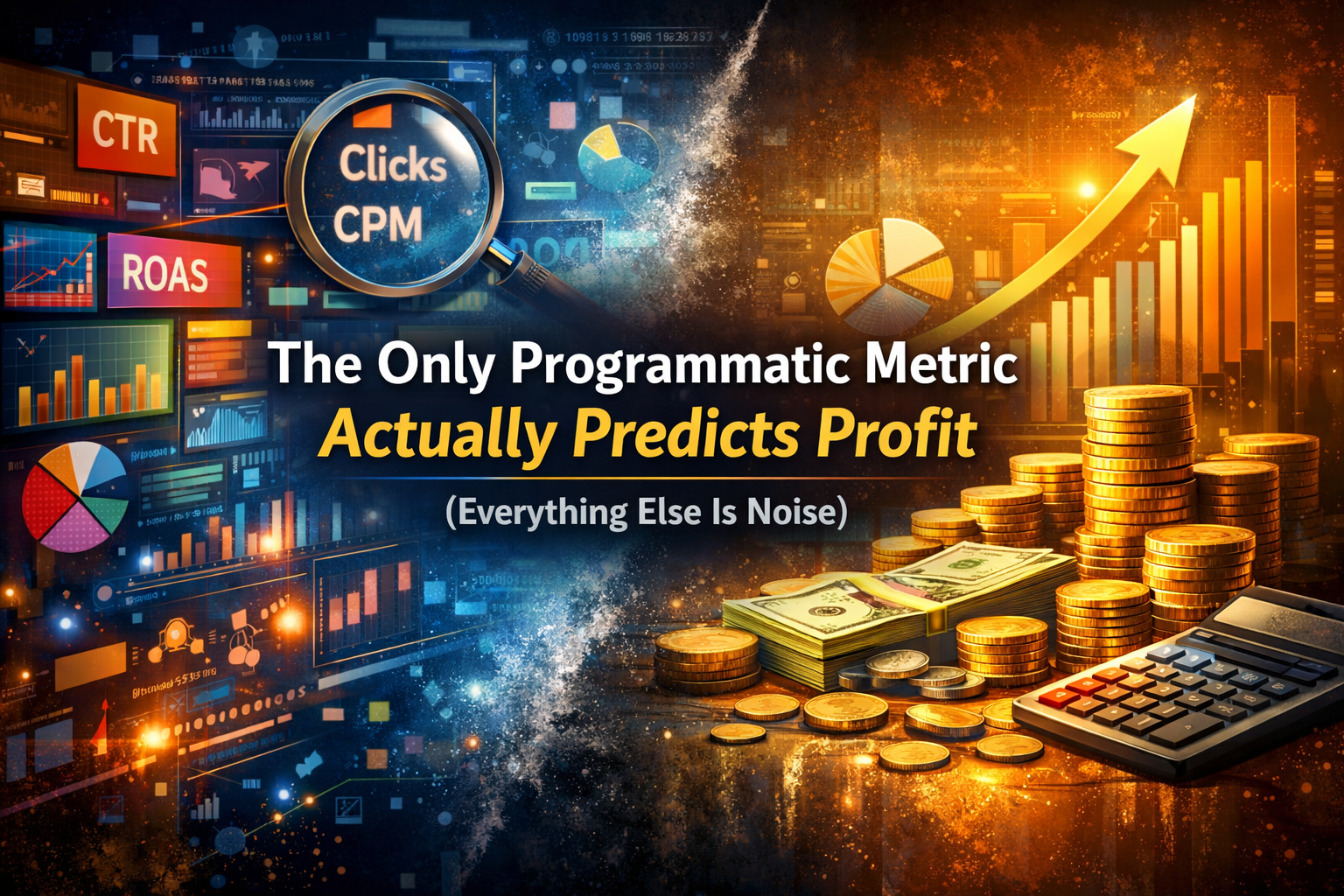
Discover why The only programmatic metric that actually predicts profit (everything else is noise) matters more than CTR, CPC, or impressions, and how to use it to drive real business growth. Understanding the real problem with programmatic metrics Programmatic advertising promised efficiency, scale, and precision. And it delivered, at least in terms of data. Today,…